Most brands think candle sampling delays1 come from "slow factories." Wrong. The real problem is starting production with unfixed variables that guarantee revision loops2.
Six-week candle launches happen when you lock three critical elements during sampling: fragrance performance3 (hot throw, not cold sniff), wick matching4 (stable burn curve), and vessel plus packaging system5 (heat behavior plus transit risk). When these stay "open" during production, projects spiral into missed deadlines and inconsistent results.

I have managed over 200 private label candle projects at ZLCandle. The brands that hit their launch windows follow one pattern. They treat sampling as a validation phase, not a creative exploration phase.
How long does it take to make private label candles from sampling to shipment? What usually causes delays?
Your timeline anxiety is real. You have a launch window, retail commitments, and seasonal pressures that do not wait for "perfect samples."
Private label candle projects typically take 35-45 days from first inquiry to shipment. Sampling accounts for 10-14 days, production takes 18-25 days, and quality control6 plus packing adds 5-7 days. The biggest delays come from revision loops2 during sampling, not manufacturing speed.
The real delay drivers in candle manufacturing
Most brands underestimate sampling complexity. I see three common delay patterns in my projects. First, fragrance performance3 gaps where cold sniff approval does not match hot throw results. Second, wick matching4 issues where quick light tests miss burn curve problems. Third, packaging integration failures where aesthetics work but transit protection fails.
Timeline breakdown by phase:
| Phase | Typical Duration | Common Delay Causes |
|---|---|---|
| Initial Sampling | 7-10 days | Unclear performance standards |
| Revision Round | 5-7 days | Fragrance or wick adjustments |
| Production | 18-25 days | Material sourcing, quality control6 |
| Final QC & Packing | 3-5 days | Packaging compliance checks |
| Shipping Prep | 2-3 days | Documentation, export clearance |
The European indie fragrance brand case I handled shows this perfectly. Their first email requested 1,500 candles in 6 weeks. Instead of rushing to sampling, I spent day one defining approval standards. We locked hot throw expectations, burn performance metrics7, and packaging protection8 requirements. This prevented the revision spiral that kills timelines.
Production delays rarely come from capacity issues. They come from discovering problems that should have been solved during sampling. When you approve samples without testing hot throw performance, you will find burn issues during production. When you approve packaging without transit testing, you will discover breakage problems after shipping.
What should you test during candle sampling (hot throw, wick, vessel) to avoid production issues?
You want samples that predict production performance. Most brands test the wrong elements and approve samples that cannot be replicated at scale.
Test hot throw performance with 2-3 hour burn sessions, wick stability across multiple burn cycles, vessel heat resistance under full burn conditions, and packaging protection8 through drop and compression tests9. Cold sniff and visual appeal matter, but they do not predict customer satisfaction.
Critical testing protocols for reliable approval
Hot throw testing requires patience most brands do not have. Light the candle and evaluate fragrance strength after 30 minutes, 90 minutes, and 2 hours of burning. Note any changes in scent character, smoke production, or flame behavior. A candle that smells perfect on cold sniff but weak during burning will create customer complaints10.
Wick matching involves more than quick lighting. Burn for 2-3 hours, let cool completely, then trim and relight. Check for tunneling, mushrooming, excessive soot, or flame height issues. Document the melt pool diameter and depth. A wick that works in sampling but fails in production creates entire batch rejections.
Essential testing checklist:
| Element | Test Method | Success Criteria |
|---|---|---|
| Hot Throw | 2+ hour burn test | Consistent strength, no smoke |
| Wick Performance | Multiple burn cycles | Even melt pool, stable flame |
| Vessel Heat Resistance | Full burn under normal use | No cracking, safe temperature |
| Packaging Protection | Drop and compression test | <2% breakage rate |
Vessel heat testing often gets skipped until production. Fill your sample jar completely and burn it down to test heat stress. Glass can crack, labels can peel, and lids can warp under full burn conditions. These problems only appear during extended use, not quick sample evaluation.
I learned this lesson early in my career. A beauty brand approved samples based on 20-minute burn tests. During production, we discovered the vessel could not handle full burn cycles without stress cracks. The entire first batch required rework, pushing their launch back six weeks.
What is an "approval sample11" in candle manufacturing—and can you still change the formula or packaging after approval?
Your approval decision locks the production specification. Many brands think approval sample11s are "directional" and changes remain possible during manufacturing.
An approval sample11 defines the exact fragrance load, wick specification, wax formula, vessel type, and packaging configuration for production. Changes after approval require new sampling rounds, production delays, and potential MOQ adjustments. Treat approval as a final commitment, not a flexible guideline.
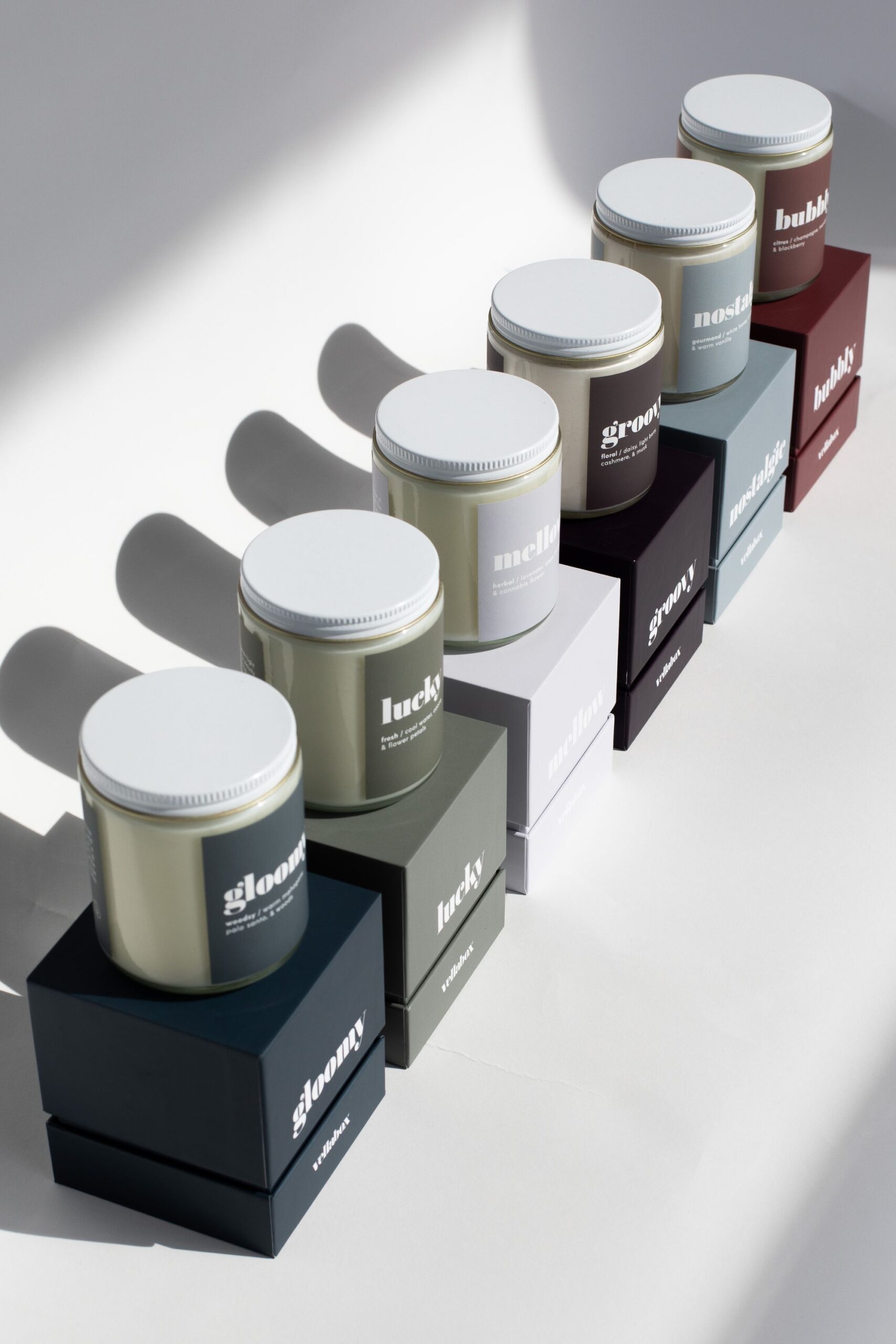
Understanding the approval sample11 commitment
Approval samples represent your production specification in detail. The fragrance percentage, wick size and type, wax blend ratio, vessel dimensions, and packaging materials become fixed. Manufacturing workflows, quality control6 standards, and material sourcing12 align with these approved specifications.
Post-approval changes create cascading impacts most brands do not anticipate. Formula changes require new stability testing and batch trials. Wick changes affect burn performance and may need vessel adjustments. Packaging changes impact production line setup, material lead times, and compliance documentation.
Change impact analysis:
| Change Type | Impact Level | Typical Delay |
|---|---|---|
| Minor fragrance adjustment | Medium | 7-10 days |
| Wick specification change | High | 10-14 days |
| Vessel or packaging change | Very High | 14-21 days |
| Formula restructure | Critical | 21+ days |
I have seen brands request "small tweaks" after approval that required complete project restarts. A wellness brand wanted to increase fragrance load by 0.5% after approval. This change affected wick performance, required new burn testing, and delayed production by two weeks. The "small tweak" cost them their seasonal launch window.
The tobacco vanilla scent in my European brand case study illustrates this perfectly. During first sampling, they requested stronger hot throw. Instead of just adding more fragrance oil, we adjusted the wax system for better scent release while maintaining stability. This prevented post-approval formula problems that would have delayed production.
What is the typical MOQ for private label scented candles? Can I start with 500 units?
Your first order size impacts cost structure, lead time, and supplier commitment. Most candle manufacturers set MOQs that reflect production efficiency, not market testing needs.
Private label candle MOQs typically range from 500-1000 pieces per SKU for glass jar candles. Lower MOQs increase per-unit costs but reduce inventory risk for new brands. Higher MOQs improve pricing but require larger upfront investment and storage capacity.
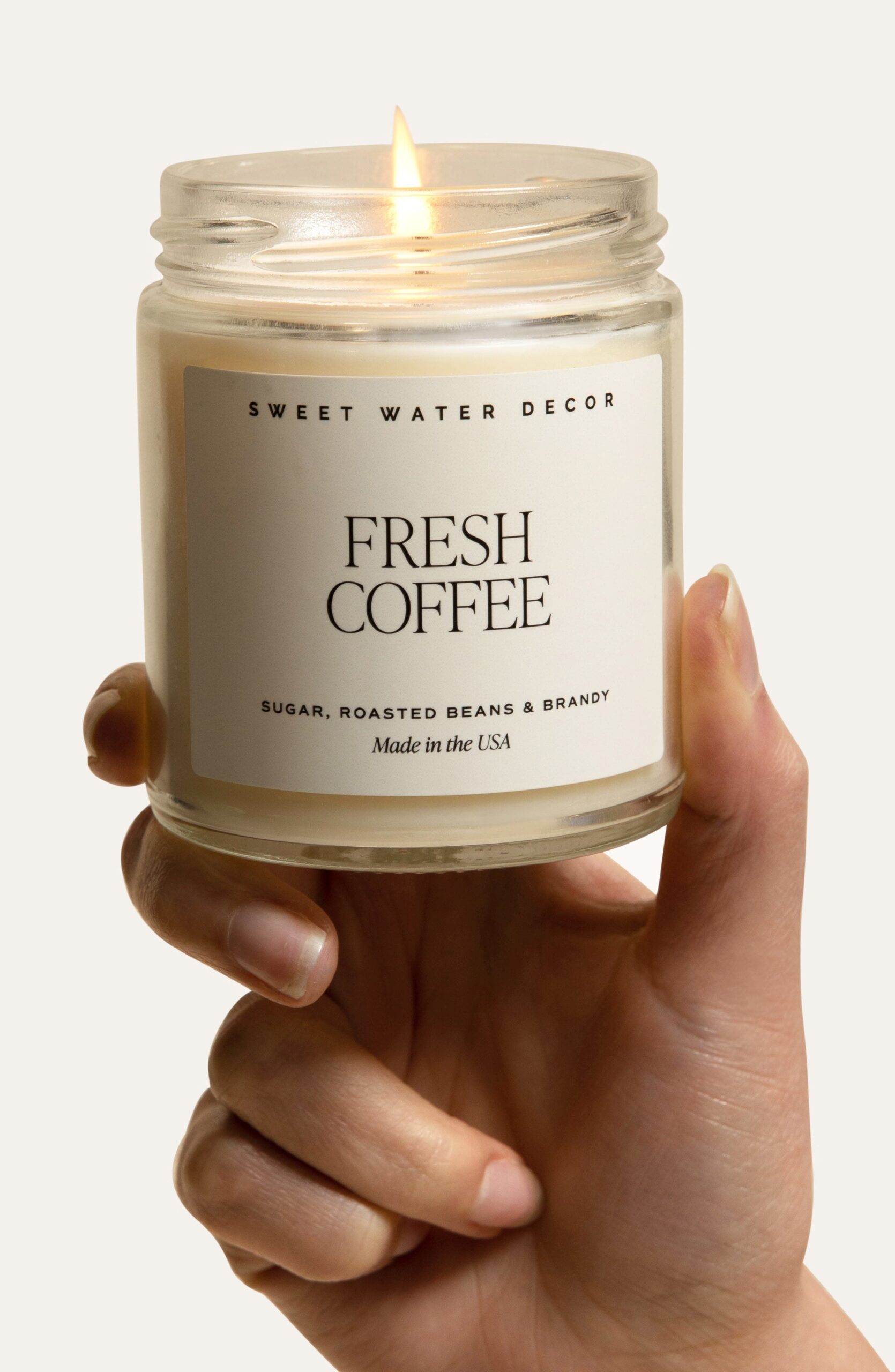
MOQ considerations beyond unit count
MOQ impacts go beyond inventory investment. Lower quantities often mean higher per-unit costs due to setup fees, material minimums, and production efficiency. Packaging customization, label printing, and compliance documentation have their own minimums that affect total project cost.
At ZLCandle, we support 500-piece MOQs because brand testing matters more than production efficiency. New brands need market validation before committing to large inventories. Our facility setup allows profitable production at lower volumes while maintaining quality standards.
MOQ comparison by order size:
| Order Size | Per-Unit Cost Impact | Setup Fee Distribution | Inventory Risk |
|---|---|---|---|
| 500 units | Higher | Concentrated | Lower |
| 1000 units | Medium | Balanced | Medium |
| 2500+ units | Lower | Distributed | Higher |
The European brand case started with 500 pieces per scent (1,500 total). This let them test market response without major inventory commitment. After successful sell-through, they reordered larger quantities with better pricing. The 500-unit start made their launch financially manageable.
Material sourcing affects MOQ practicality. Custom packaging, specialty waxes, or unique vessel shapes may require higher minimums from suppliers. Standard options support lower MOQs while custom elements push quantities higher.
How do you reduce breakage when shipping glass jar candles (inner packaging, carton strength, drop risk)?
Your packaging investment determines customer experience and return costs. Most brands focus on aesthetic appeal but underestimate transit protection requirements.
Reduce candle breakage through proper inner cushioning (foam inserts or molded pulp), appropriate master carton strength (32 ECT minimum for glass products), and strategic void fill that prevents movement during shipping. International shipping requires enhanced protection due to multiple handling points.
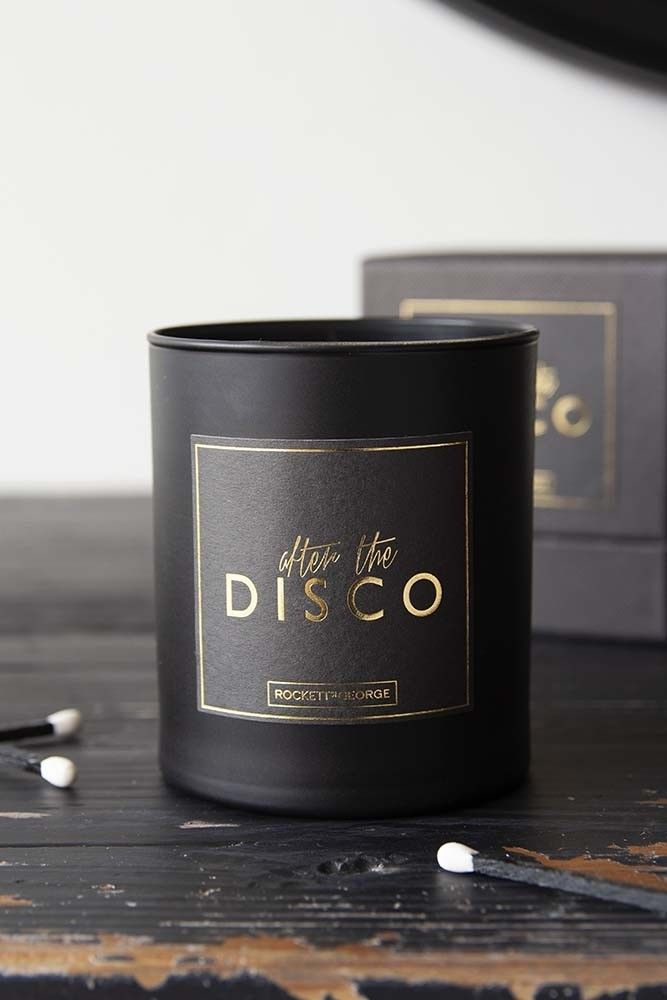
Comprehensive breakage prevention strategy
Inner packaging design determines survival rates during shipping stress. Individual candles need isolation from contact with other units and protection from compression forces. Foam inserts, corrugated dividers, or molded pulp create protective barriers that absorb shock during handling.
Master carton selection requires understanding shipping environments. Domestic shipping involves fewer handovers but includes automated sorting equipment. International shipping adds customs handling, longer transit times, and climate variations that affect packaging integrity.
Packaging protection levels:
| Protection Level | Methods | Breakage Rate | Cost Impact |
|---|---|---|---|
| Basic | Bubble wrap, standard box | 3-5% | Low |
| Enhanced | Foam inserts, reinforced carton | 1-2% | Medium |
| Premium | Custom molded protection | <1% | Higher |
The European brand case highlighted this perfectly. Their glass jars looked premium but had thinner walls. Combined with compact gift boxes for volume efficiency, breakage risk was significant. We added structured internal protection and improved master carton partitioning based on realistic shipping stress, not just factory conditions.
Drop testing reveals packaging weaknesses before customer complaints10. Test packages from typical handling heights (36-48 inches) on hard surfaces. Check for glass cracks, label damage, and structural failures. International shipping requires testing from greater heights due to longer handling chains.
Climate considerations matter for international shipments. Temperature variations can affect adhesives, cause condensation issues, and impact packaging materials. Design protection systems that maintain integrity across temperature and humidity ranges your products will experience.
Conclusion
Launch success depends on locking fragrance performance3, wick stability, and packaging protection8 during sampling. When these three variables stay fixed, six-week timelines become achievable and production stays predictable.
Understanding the causes of delays can help you streamline your candle production process. ↩
Understanding revision loops can help you avoid delays in your production timeline. ↩
Explore how fragrance performance impacts customer satisfaction and product success. ↩
Learn about wick matching to ensure stable burn and avoid production issues. ↩
Discover how vessel and packaging choices affect candle safety and performance. ↩
Quality control is essential for maintaining product standards; find out more. ↩
Understanding burn performance metrics can help you create better products. ↩
Explore packaging protection methods to reduce breakage during shipping. ↩
Learn about these tests to ensure your packaging can withstand shipping conditions. ↩
Identifying potential customer complaints can help you improve your product quality. ↩
Understanding approval samples can help you lock in production specifications effectively. ↩
Explore how sourcing materials impacts production timelines and costs. ↩